

Resistance Tube Bands, Handles & Sets for Wholesale Sourcing
Source finished resistance tube bands, handled tubes and exercise tube sets for your product range. Select the tube construction, resistance specification, handles and attachments, then confirm branding, packaging and wholesale quantity with your quotation.
Types of Resistance Tubes We Offer
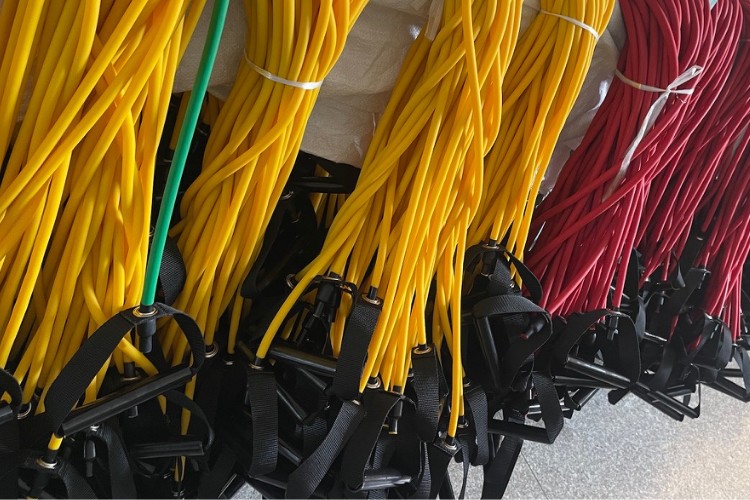
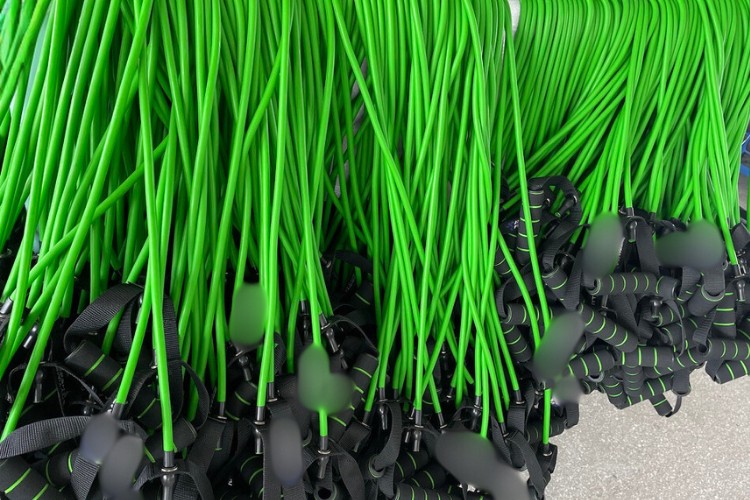
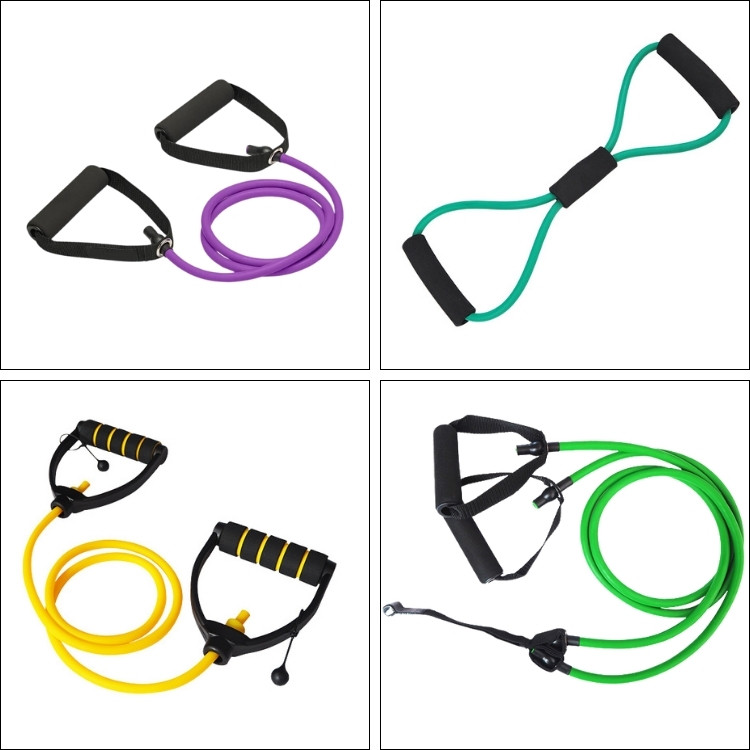
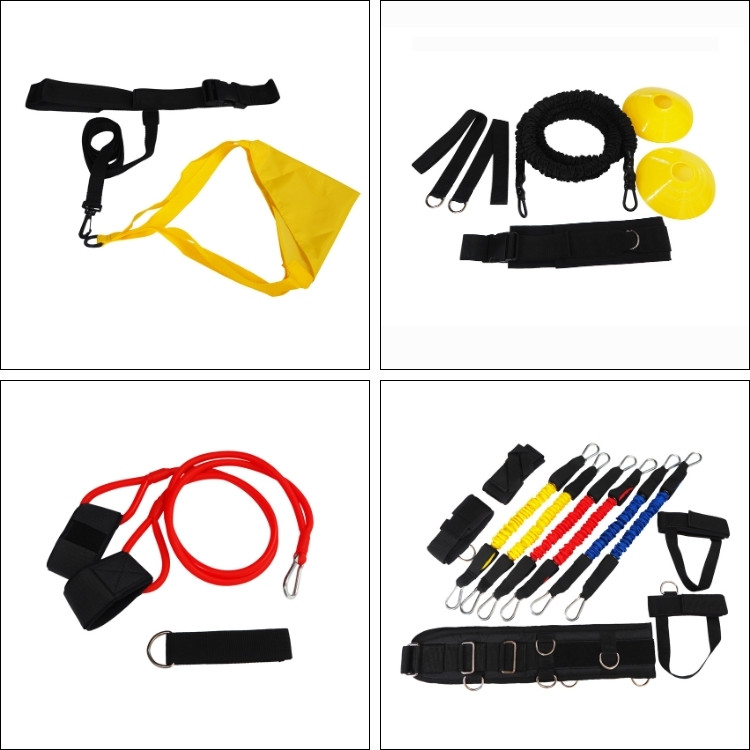
Compare handled tubes, tube kits and utility assemblies below. Confirm the selected product’s length, resistance rating, attachment compatibility and included components before ordering.
For a covered construction, see Covered Resistance Tubes with Handles. For material-specific sourcing, see TPE Resistance Tubing.
Resistance Tubes Customization Service
- Product specification: Confirm tube construction, resistance rating, finished length and compatible handles or attachments for the intended application.
- Branding and packaging: Discuss logos, colors, artwork and packing for the selected finished product.
- Order quantity: MOQ is project-specific and depends on construction, resistance specification, accessories, quantity, branding and packaging.
See Custom Resistance Bands for existing-product customization. New construction, formulation or tooling belongs to a separate OEM/ODM review.
For raw tubing supplied by length, see Bulk Resistance Tubing.
Why Choose Us?
Material Selection
Confirm the tube material and component specifications for the selected finished assembly.
Product Configuration & Development
Configure an existing tube product to your requirements. New construction, formulation or tooling requires a separate OEM/ODM feasibility review.
Existing-Product Samples
Existing-product or existing-specification samples are usually ready around 3 days after specification and sample requirements are confirmed. Special requirements may take longer.
Testing & Documentation
Testing and documentation availability depends on the exact product, construction, material, order and destination-market requirements.
Accessory Selection
Confirm handles, grips, fittings and other required accessories, their compatibility and the quantities included in the selected product or set.
Agreed Inspection Requirements
Confirm material, dimensional, appearance, connection and other agreed inspection criteria for the finished product and order.
Tooling Feasibility
Plastic, rubber or metal component development requires a feasibility review. Tooling cost, scope and timing are confirmed with the quotation.
Order Coordination
Confirm the product specification, sample requirements, branding, packaging and production schedule with the quotation.
Latex Tube Production & Finished Assembly Process

Raw Material

Dipping

Soaking

Drying

Cutting
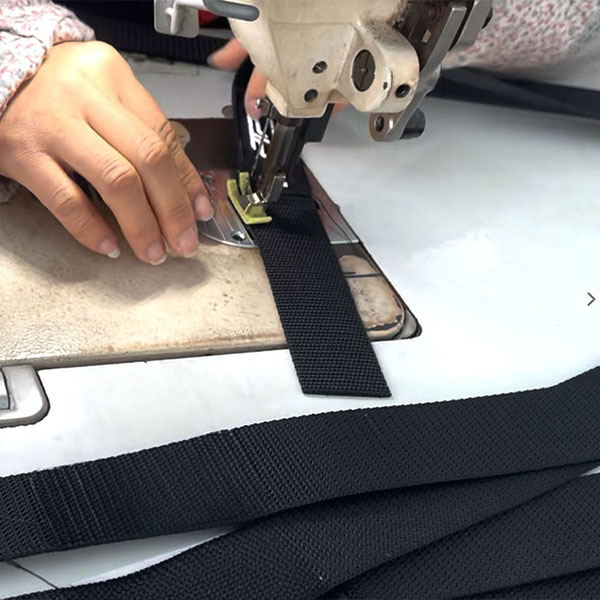
Stitching
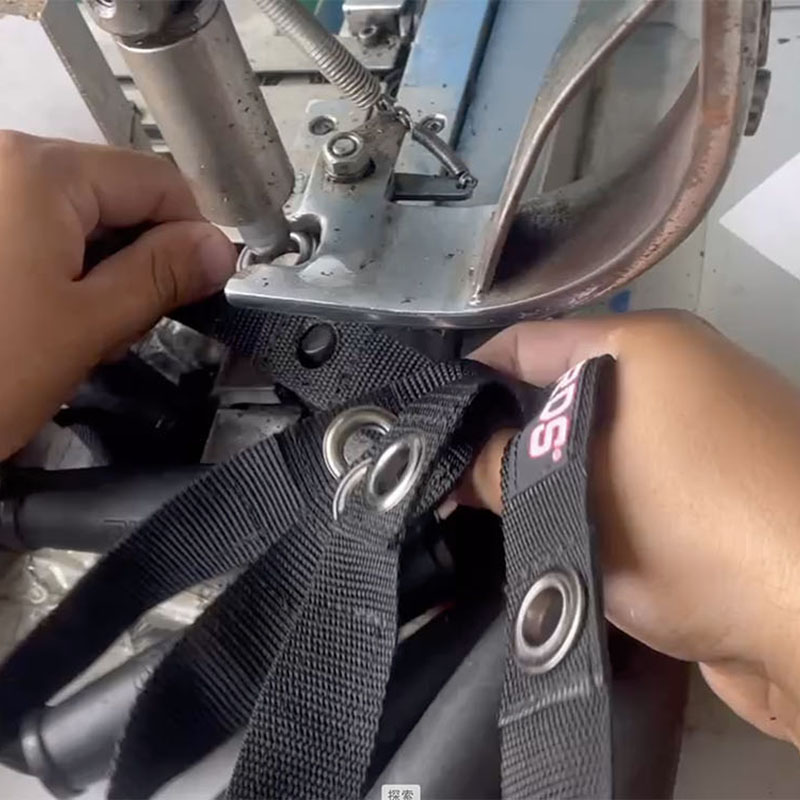
Eyeleting
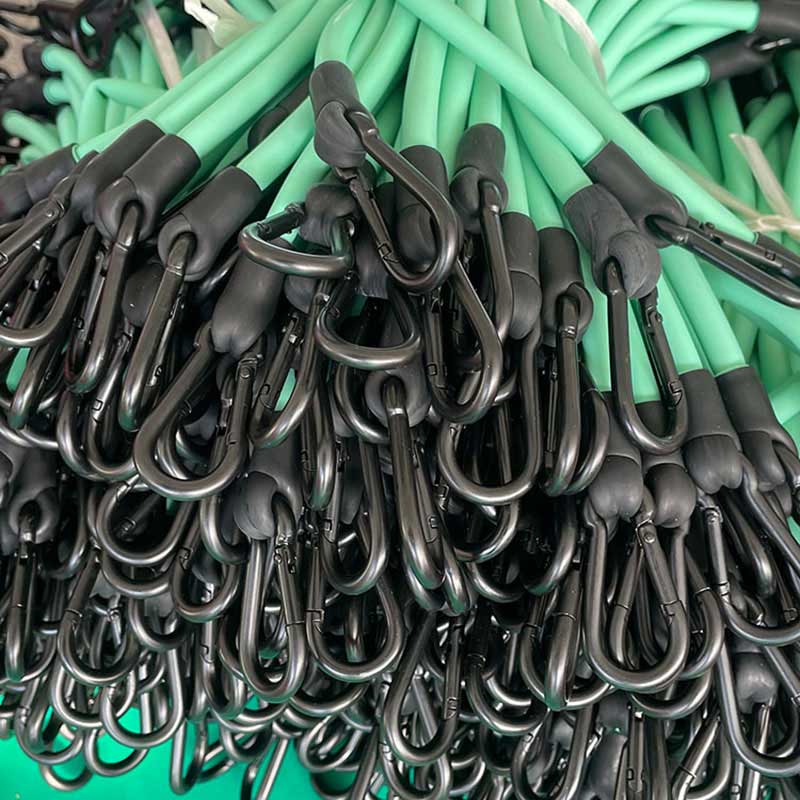
Assembly

Packaging

Shipping
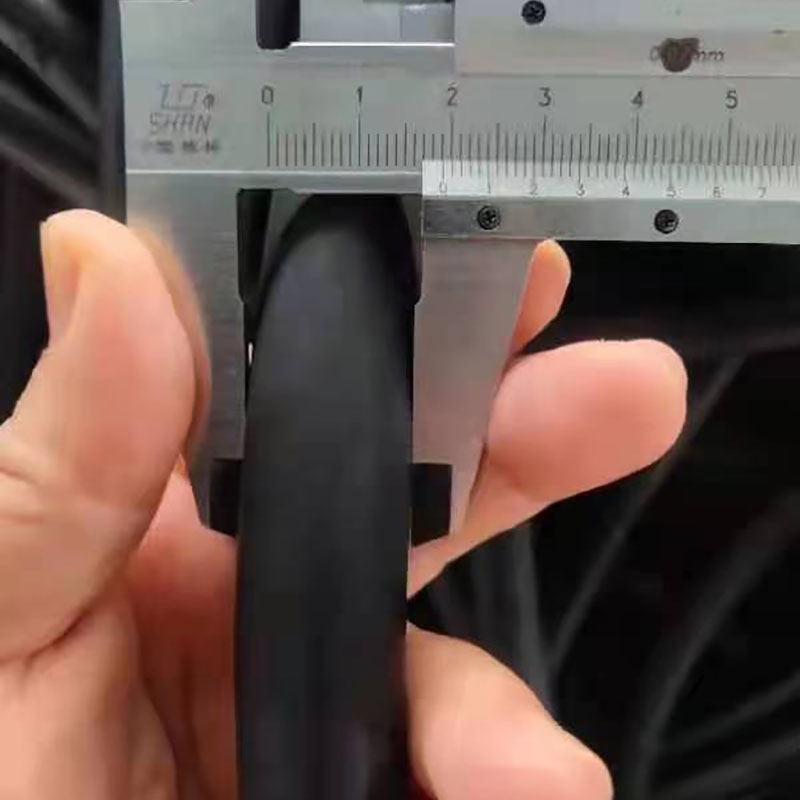
Quality Management of Resistance Tubes by LBP Fitness
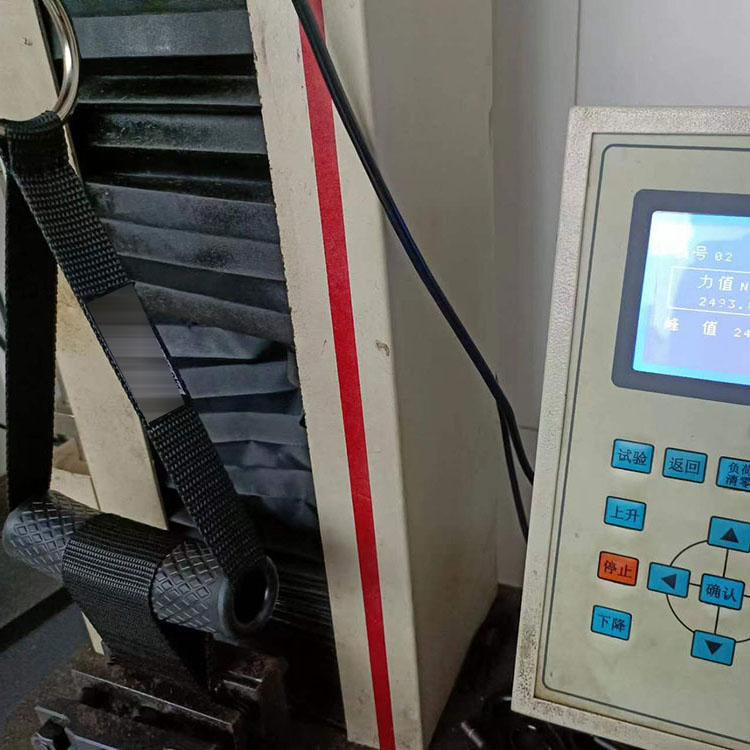
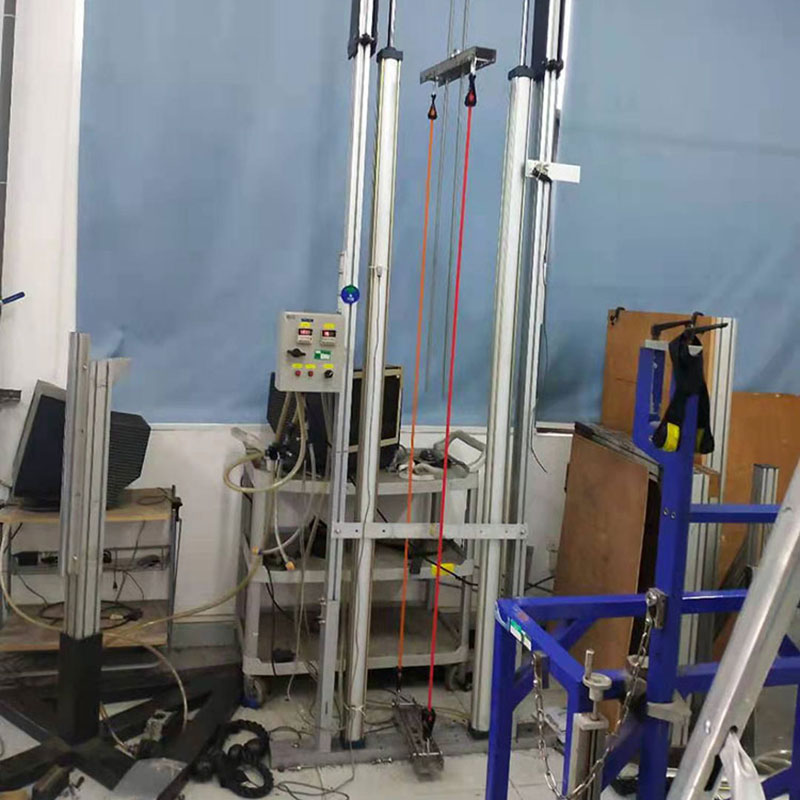
Review the inspection methods shown below and confirm the acceptance criteria for the selected tube construction, resistance specification, handles, fittings and finished assembly.
Production timing is project-specific and depends on the selected tube construction, resistance specification, accessories, quantity, branding and packaging requirements. The confirmed production schedule is provided with the quotation. International shipping transit time is separate.
Frequently Asked Questions
What’s the difference between resistance bands and tubes?
Resistance bands are flat, elastic strips typically made from latex or rubber, used as loops or straight pieces. Resistance tubes are hollow, cylindrical, and often come with handles or attachments.
The key differences lie in their design, structural makeup, and functionality, with variations also seen in pricing and available attachments.
Can I customize the resistance tubes?
Yes. Confirm the finished tube length, resistance specification, material, handles, attachments, logo, color and packaging for the selected product. MOQ is project-specific. Existing-product samples are usually ready around 3 days after specification and sample requirements are confirmed; special requirements may take longer.
How long do resistance tubes last?
Service life depends on tube construction, material, use frequency and storage conditions. Follow the selected product’s care and inspection instructions and replace damaged or deteriorated components. A universal replacement interval does not apply to every product.
Can resistance tubes snap?
Resistance tubes can break if damaged, deteriorated or used outside the product instructions. Inspect tubes and attachments before use and follow the specified operating limits.
Inner cords and outer sleeves are construction options to discuss for the selected assembly. Their presence does not make a product unbreakable or establish a universal protection guarantee. Request product-specific inspection and care instructions.
When should resistance tubes be replaced?
Replace tubes or attachments showing cracks, tears, fraying, deterioration or permanent deformation, following the selected product’s instructions. Do not rely on a fixed calendar interval for every construction and usage pattern.
How far do you stretch resistance tubes?
Use the operating stretch limit specified for the exact finished tube product. Material elongation is not a universal safe working limit for a tube assembly. Confirm the permitted extension and inspection requirements for the tube, handles and attachments with the product specification.
How many pounds is 30lb resistance?
A 30 lb resistance label describes a force rating, not the physical weight of the tube. Resistance varies with extension and test conditions. Confirm the extension or test method used for the selected product’s rating; it is not a constant load at every point of an exercise.
Are resistance tubes better than resistance bands?

The choice depends on the exercise, grip, attachment setup and preferred format. Finished tube assemblies can use handles, clips or other attachments; flat or loop bands provide different gripping and exercise options. Compare the selected products rather than treating one format as universally better.
What does the color of resistance tube mean?
Colors can identify resistance levels within a selected product range, but there is no universal color standard across manufacturers or constructions. Use the product’s marked rating and specification rather than color alone.
Customization options span 10–200 lb across the tubing range. Confirm the available rating, test extension and compatible finished assembly for the selected product; this range does not mean every kit includes all ratings.
Is there a risk of resistance tubes snapping during use?
Yes. Inspect the tube and attachments for cracks, fraying or other deterioration, and follow the selected product’s extension and use instructions. Sleeved constructions are available for review, but do not assume a sleeve prevents every failure or eliminates the need for inspection.
What is the typical lifespan of a resistance tube with regular use?
Service life varies by construction, use and storage. Follow the selected product’s cleaning, storage and inspection guidance. Do not apply lubricant or other treatments unless specified for that product, and replace damaged components before further use.
What are the options for customizing resistance tubes?
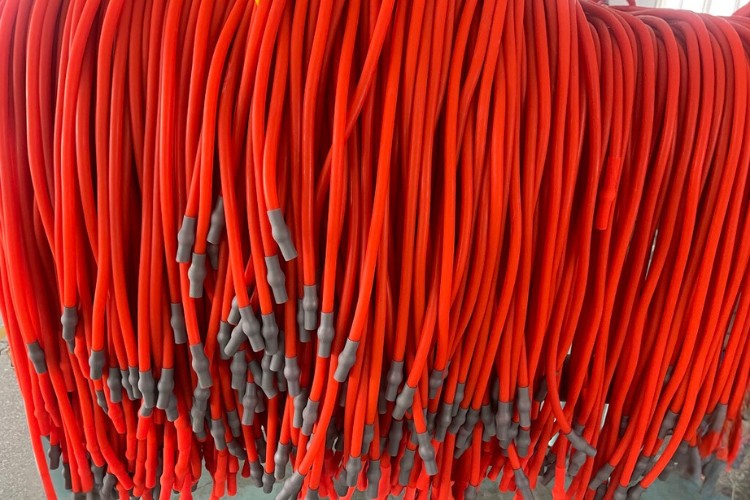
Tube: Confirm the material, length, diameter, resistance rating and color for the selected finished assembly.
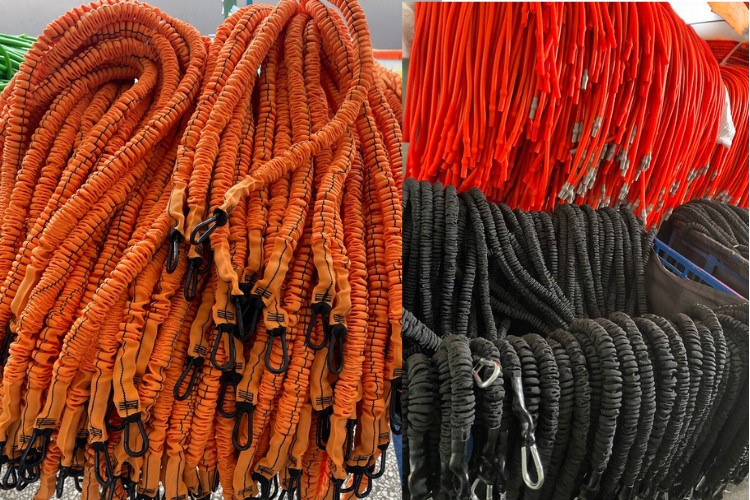
Construction: Discuss inner cords, outer sleeves and compatible fittings by product.
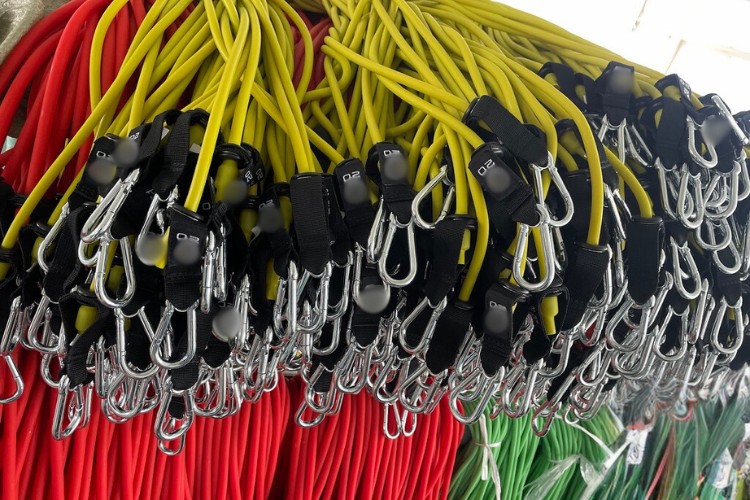
Handles and attachments: Options include plastic or rubber handles, foam grips, webbing and connection hardware. Confirm required ankle straps, door anchors or other kit accessories and quantities in the quotation; they are not included in every product.
Branding and packaging: Discuss logos on tubes or attachments and the selected retail or bulk packing configuration.
Can resistance tubes be used for strength training?
Finished resistance tube products can be selected for strength-training exercises. Match the resistance specification, finished length, grip and attachment setup to the intended routine and follow the selected product’s instructions.
What materials are commonly used to make resistance tubes?
Tubes: Latex and non-latex options depend on the selected product. Confirm the exact formulation and construction; latex-free status alone is not an allergy-safety guarantee. See the separate TPE Resistance Tubing page for that material-specific range.
Components: Existing options include plastic fittings, foam or rubber grips, PP or nylon webbing, metal carabiners and rings. Confirm material, connection compatibility and inspection requirements for each finished assembly.
Can resistance tubes be used for rehabilitation purposes?
Tube products may be selected for clinician-directed exercise programs. Confirm the resistance, grip, attachment setup and product instructions for the intended use. For clinic and rehabilitation procurement, see Therapy / Rehab Bands.
Are there different thicknesses available for resistance tubes?
Thickness options of 1.5–6 mm are specification-dependent. Confirm inner diameter, outer diameter, wall thickness and finished length for the selected tube product. Resistance also depends on formulation and test extension, not thickness alone.
The tubing range includes over 300 sizes, including 50 exercise-tube sizes. Confirm current availability and compatibility with the selected finished assembly.
Can resistance tubes be used in water or outdoor environments?
Suitability for water or outdoor use depends on the selected tube, coverings, fittings and exposure conditions. Swimming tether configurations can be discussed separately. Confirm application-specific material, care and inspection requirements rather than assuming every tube set is suitable.