Smart Sourcing: A Healthcare Facility’s Guide to Compliant & Cost-Effective Resistance Band Purchasing
Resistance bands have become indispensable tools in modern healthcare, playing a crucial role in physical therapy, rehabilitation, and patient wellness programs. They offer a portable, adaptable, and effective way for patients to engage in progressive resistance training, both within the facility and as part of their home exercise programs.
However, for hospital procurement and clinic managers, purchasing these seemingly simple tools presents a unique set of challenges: ensuring cost-effectiveness while adhering to stringent compliance and safety requirements.
The good news is that smart procurement of resistance bands can significantly impact patient care quality and operational efficiency. This guide aims to provide a comprehensive roadmap for healthcare procurement and clinic managers, empowering them to make informed, compliant, and cost-effective bulk purchasing decisions for resistance bands.

Section 1: Understanding Healthcare-Specific Needs & Compliance
1.1 Patient Population Considerations
The diverse patient population within healthcare facilities necessitates careful consideration when choosing resistance bands.
- Diverse Needs: From acute rehabilitation to long-term care and muscle strengthening for geriatric populations, a wide variety of resistance levels and band types will be required.
- Allergies: A critical concern in healthcare settings is the prevalence of latex allergies. It’s imperative to prioritize latex-free resistance bands like TPE or Silicone bands to prevent allergic reactions and ensure patient safety.
- Varying Resistance Levels: To facilitate progressive rehabilitation and cater to different strength levels, a comprehensive range of resistance bands, from light to heavy, is essential.

1.2 Compliance & Safety Standards
Healthcare facilities operate under strict regulations, and resistance band procurement is no exception.
- Quality Standards: Ensure the chosen products meet relevant quality standards for clinical utility and safety. Look for manufacturers that emphasize material inspection and final product testing to guarantee consistency and durability.
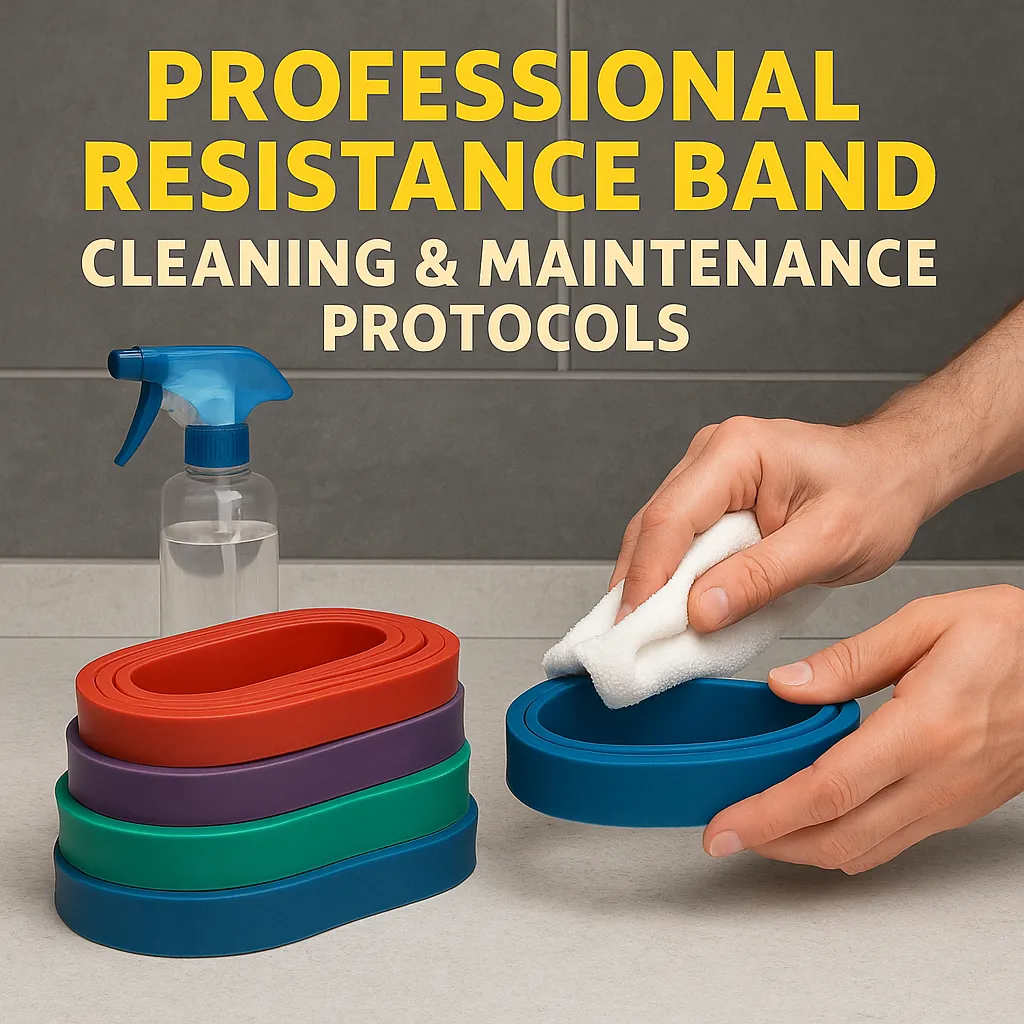
- Sanitation and Infection Control: For reusable bands, consider the ease of cleaning and disinfection to comply with infection control protocols within the facility.

1.3 Key Specifications for Healthcare-Grade Bands
When evaluating resistance band options, prioritize these specifications:
- Material: High elasticity latex bands and non-latex materials like TPE and Silicone to accommodate patients with latex sensitivities.
- Length and Width: Standard lengths, typically 5-6 feet, offer versatility for a wide range of exercises and are suitable for most clinical applications. Consider customizing different widths for variations in resistance and targeting specific muscle groups.
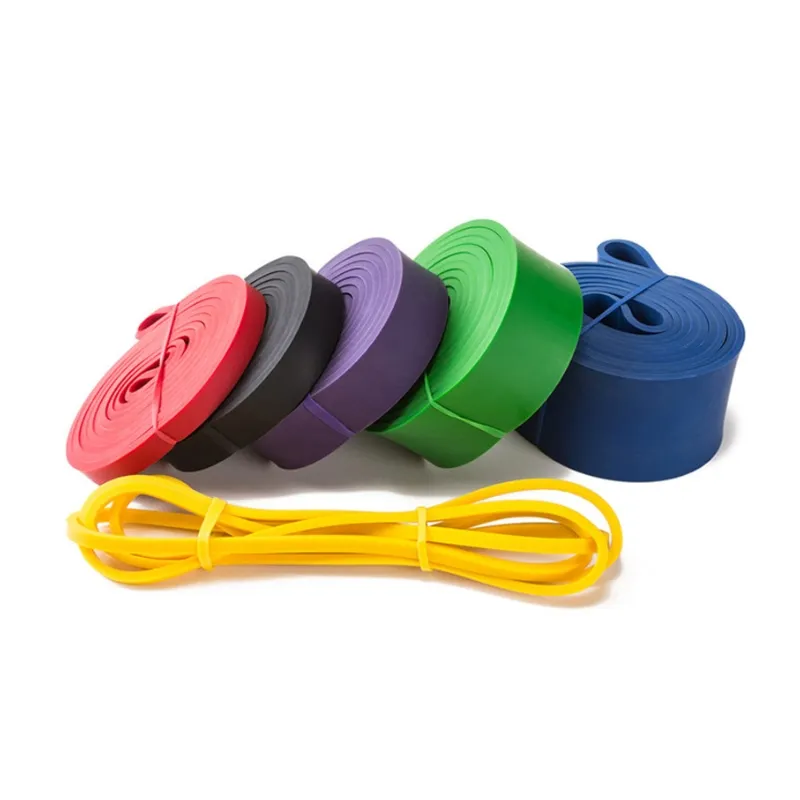
- Resistance Levels: Utilize a color-coded system for resistance levels to allow for easy identification and facilitate progressive resistance. LBP Fitness could customize your own color-coded system, featuring various colors representing different resistance levels.
- Durability and Longevity: Choose products designed for repeated use in a demanding clinical environment. This minimizes replacement costs and ensures consistent quality of care.
Section 2: Strategic Bulk Purchasing for Healthcare Facilities
2.1 Evaluating Needs and Usage Patterns
Before initiating a bulk order, a thorough evaluation of the facility’s needs is crucial.
- Historical Usage Data: Analyze past procurement data to identify trends in resistance band usage across different departments (e.g., physical therapy, occupational therapy, nursing units).
- Forecasting Future Demand: Predict future needs based on patient volume, anticipated program expansion, and seasonal variations in demand.
- Specific Program Needs: Consider specialized requirements, such as higher resistance bands for sports rehabilitation or individual bands for patient take-home packs.
2.2 Supplier Selection & Partnership
Establishing strong relationships with reliable suppliers is paramount in healthcare procurement.
- Criteria for Choosing Suppliers: Prioritize suppliers with a proven track record, relevant certifications, robust product support, and expertise in healthcare-specific resistance bands.
- Transparency and Timely Delivery: Demand transparent communication regarding product specifications, lead times, and potential delays. Ensure the supplier can consistently meet delivery timelines.
- Flexibility and Scalability: Partner with suppliers that can adapt to changing needs and accommodate future growth in demand.
- Key Questions for Suppliers: Inquire about product quality assurance processes, regulatory compliance, lead times, and after-sales support.
2.3 Advantages of Bulk Ordering
- Cost Savings: Purchasing in larger quantities often results in significant volume discounts and lower per-unit costs.
- Ensuring Consistent Supply: Bulk orders help maintain adequate stock levels and minimize the risk of shortages, ensuring uninterrupted patient care.
- Streamlined Ordering: Consolidating orders reduces administrative overhead and simplifies the procurement process.
2.4 Disadvantages and Mitigations
- Potential for Overstocking: To avoid accumulating excess inventory, meticulously analyze usage data and refine forecasting methods.
- Storage Considerations: Secure adequate storage space that is cool and dry to maintain product integrity and extend shelf life.
- Potential for Product Degradation: Understand the shelf life of resistance bands and implement a First-In, First-Out (FIFO) inventory management system to minimize waste.
Section 3: Best Practices for Implementation and Ongoing Management
Effective management extends beyond the initial purchase.
3.1 Standardizing Product Selection
- Approved List: Develop a standardized list of approved resistance band types, colors, and resistance levels for use across all departments.
- Color-Coding Consistency: Leverage color-coding systems for easy identification and seamless transitions between resistance levels, benefiting both staff and patients.
3.2 Staff Training and Education
- Proper Usage: Ensure all staff members involved in patient care (therapists, nurses, aides) are trained on the correct application and usage of resistance bands.
- Cleaning Protocols: Implement clear guidelines for cleaning and disinfecting reusable bands to maintain infection control standards.
- Inspection and Maintenance: Train staff to regularly inspect bands for wear and tear and identify when they need replacement.
3.3 Inventory Management System
- Robust Tracking: Implement a system for tracking stock levels, usage patterns, and reorder points. Automated systems with features like barcode scanning or RFID can significantly enhance accuracy and efficiency.
- Regular Review: Periodically review inventory data to identify usage trends and adjust bulk orders as needed.
Conclusion
A thoughtful and strategic approach to resistance band procurement is vital for healthcare facilities. By prioritizing compliance, ensuring patient safety (especially through the use of latex-free options), and embracing the advantages of bulk ordering, hospital procurement and clinic managers can make informed decisions that deliver both cost-effectiveness and high-quality patient care.
Investing in quality products, partnering with reliable suppliers, and implementing robust inventory management systems are key to maximizing the benefits of resistance bands in clinical settings. By adhering to these guidelines, healthcare procurement and clinic managers can ensure consistent access to safe, effective, and economical resistance bands, ultimately supporting optimal patient outcomes and enhancing facility operations.
A review of current purchasing practices can optimize resistance band procurement and create a more efficient, patient-centered environment.