Why Use Power Bands in Physical Therapy?
Therapists need elastic resistance that scales from very light to very heavy, works in clinics and homes, and doesn’t beat up healing joints. Long loop power bands do that. They’re continuous loops, about 41 inches in circumference, offered in narrow to very wide widths. Tension climbs as the band stretches. That variable resistance is useful in rehab because you can start small and add load in steady steps.

For plans that cover both light mobility and stronger work, the long loop format stands out. You can anchor high, low, or under the feet. No handles in the way. The same band can assist or resist a pattern depending on how you set it up. This matters for patients who train in the clinic today and at home tomorrow. Versatility. Progressive resistance. Joint-friendly loading. Portable enough to go in a backpack.
Power bands serve three common therapy goals. First, controlled strengthening through a full range. Second, functional patterning that looks like daily tasks, not only isolated machine moves. Third, a clear path to progression without big jumps in load. Bands can be progressed by width, color coding, or stretch distance. Small changes, repeated, move a plan forward without flaring a shoulder or a cranky knee.
What power bands are, in clinic terms
A power band is a long loop with enough length to build tension through big ranges of motion. Short mini loops (about 9–12 inches) are great for hips and ankles. Tube bands with handles are fine for rows and presses. Power bands cover different ground. You can load hinges, squats, step-ups, rows, presses, chops, lifts, and even assist movements when a patient can’t reach full range alone.
As the band lengthens during the rep, load increases. Early positions that feel vulnerable are lighter. The top gets harder where the joint is mechanically stronger. That’s one reason clinicians like bands in certain phases of recovery.
They’re also simple to set up. A door anchor, a rack upright, a heavy table leg, or the therapist’s hands. If a patient can replicate the setup at home or while traveling, adherence improves. Consistency beats a perfect machine setting that the patient can’t access three times a week.

Where power bands shine in physical therapy
Early to mid strengthening once pain settles. Joints that dislike heavy compression often tolerate elastic resistance better. Start with lighter stretch, shorter ranges, and simple lines of pull. Increase distance or move to a wider band as the joint allows.
Functional task rehearsal. Bands move with the body. Teach a sit-to-stand with band assistance, then switch to resistance at the hips to cue mechanics. Load diagonal patterns that resemble reaching, carrying, and lifting.
Progressive exposure for sensitive regions. Shoulders with irritability. Post-lumbar issues. Patellofemoral pain. Use submaximal starts and predictable increases. Plan progressions. Make them visible to the patient.
Home exercise programs. Cost and portability matter. Most patients won’t buy a cable machine. They can buy a two- or three-band set. Start in the clinic, continue at home with the same tools and the same cues.
Dosing without guesswork
Pick one exercise. Control three levers: band width, starting length, and total stretch. Wider band equals higher baseline tension. Shorter setup equals more starting tension. Longer stretch equals a tougher finish.
Begin conservatively. Pain-free range. Smooth control. Track reps and effort. Change one lever at a time from session to session. Not all three at once.
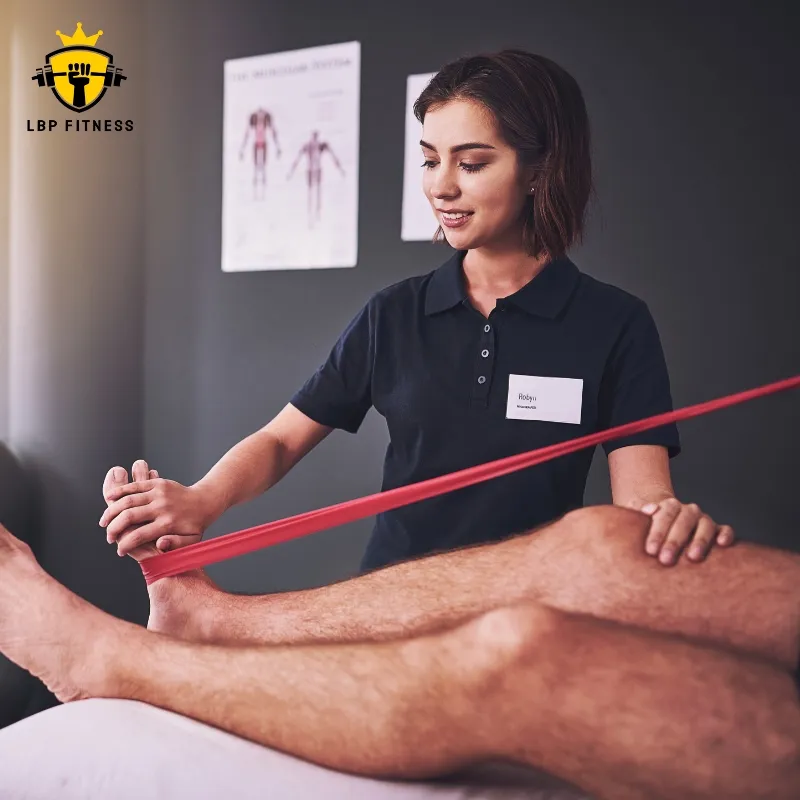
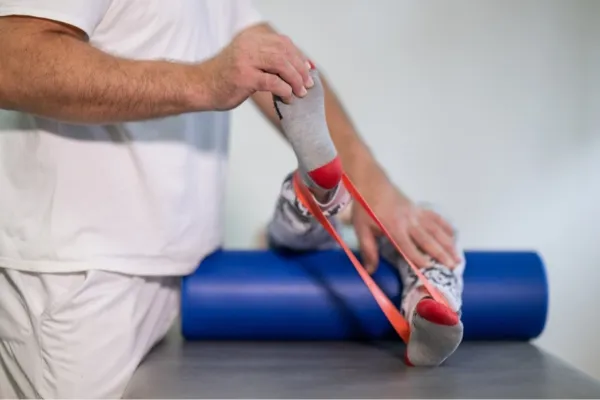
In early phases, use assistance for patterns the patient doesn’t own yet. Loop a band to help the bottom of a squat or a sit-to-stand. Later, flip to resistance and make the patient earn control at the top. Same band. Different role. When ready, increase stretch distance or step up one band size.
Common mistakes with power bands in rehab
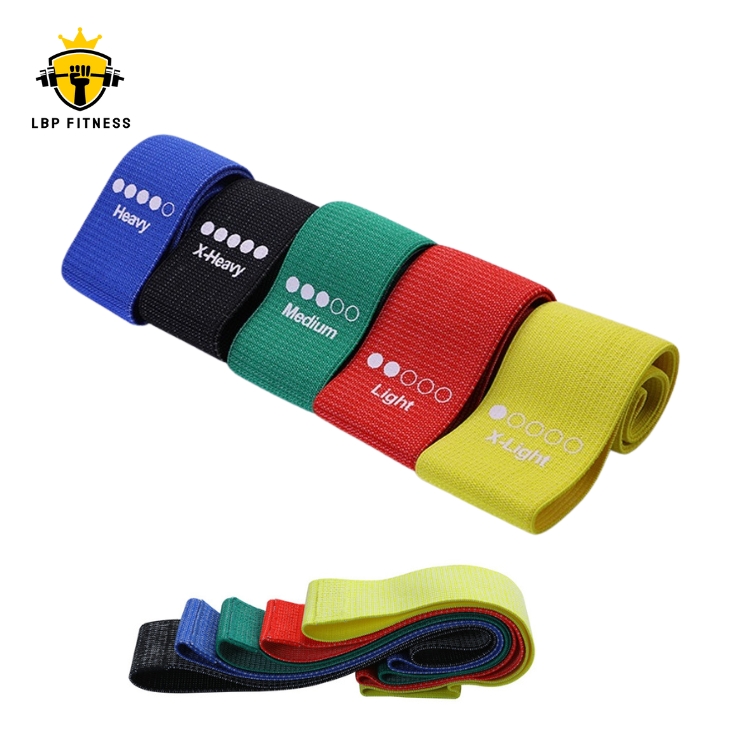
- Buying by color instead of tension. Colors are not universal. One brand’s green can match another brand’s blue. Solve it with written descriptors. Light, medium, heavy, very heavy. Add the brand name. Give patients a simple spec sheet or link.
- Too much tension too soon. Feeling good today doesn’t mean jump two sizes. Progress one variable per week. If soreness spikes or form breaks, back off and adjust range first.
- Sloppy anchoring. Bands slip off sharp corners and wear fast on rough edges. Use door anchors or rounded anchors. Check friction points. If you see scuffs in the same spot, retire the band or change the setup.
- No control of line of pull. If the band drifts, the exercise changes mid-rep. Mark the floor. Teach foot placement. Coach the first sets until the path is repeatable.
- Ignoring the person, not just the protocol. A post-op knee isn’t a recreational lifter with mild pain. Keep volumes modest. Check joint response the next day before stepping up.
Safety and maintenance basics
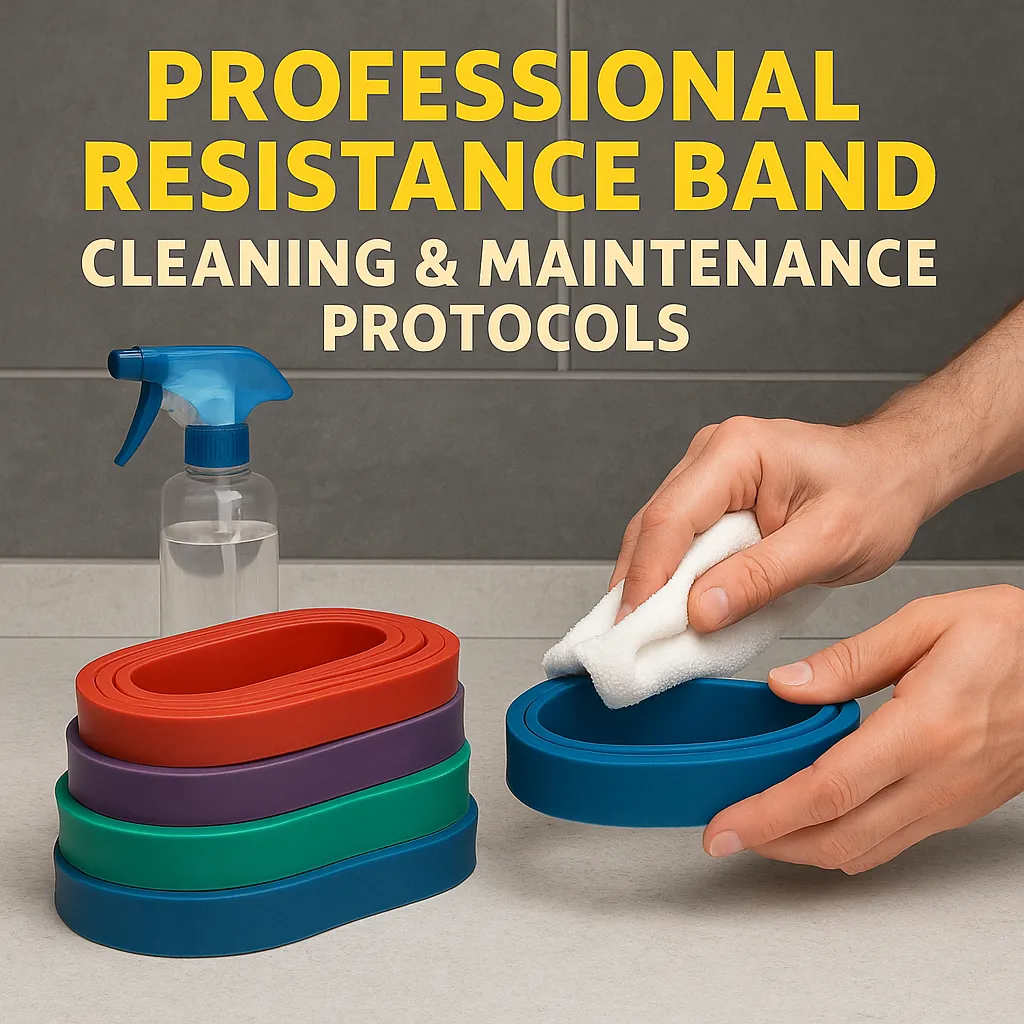
Bands don’t last forever.
- Inspect for nicks, thin spots, or sticky areas before sessions.
- Replace questionable bands.
- Keep them out of hot windows and direct sun.
- Log brand and model in your inventory so replacements match your resistance ladder.
- Joint-friendly loading assumes decent mechanics and healthy bands.
- Poor setup plus degraded material is a predictable failure.
Procurement and patient education checklist
-
Stock long loop bands in at least four levels: light, medium, heavy, very heavy. If space allows, keep seven levels for smoother steps.
-
Pick a brand and stick with it to keep tension mapping consistent. Train staff that color codes vary across factories and brands.
-
Create a one-page home guide: anchor options, safe positions, simple care rules, and a photo for each assigned exercise.
-
Label clinic bands by width and a plain-language tag. Example: Band A light. Band D very heavy.
-
Replace bands on a schedule. Don’t wait for failures. In high-volume clinics, shorter cycles are cheaper than an injury.
-
Document starting stretch distances or use floor markers so progression is repeatable.
-
Add a clear rule for when to increase resistance. For example: when 3×12 is smooth for two sessions, lengthen the setup 10–15 cm or move up one size.

Bottom line for therapists and clinic managers
Use power bands because they provide scalable, joint-friendly resistance that fits real clinic constraints and home programs. They let you assist early and resist later without switching systems. They support functional training that transfers to daily life. Variable resistance, portability, whole-body use, and easy progression are the practical reasons plans move forward, patients return with better movement, and staff can run consistent programs without adding expensive machines.