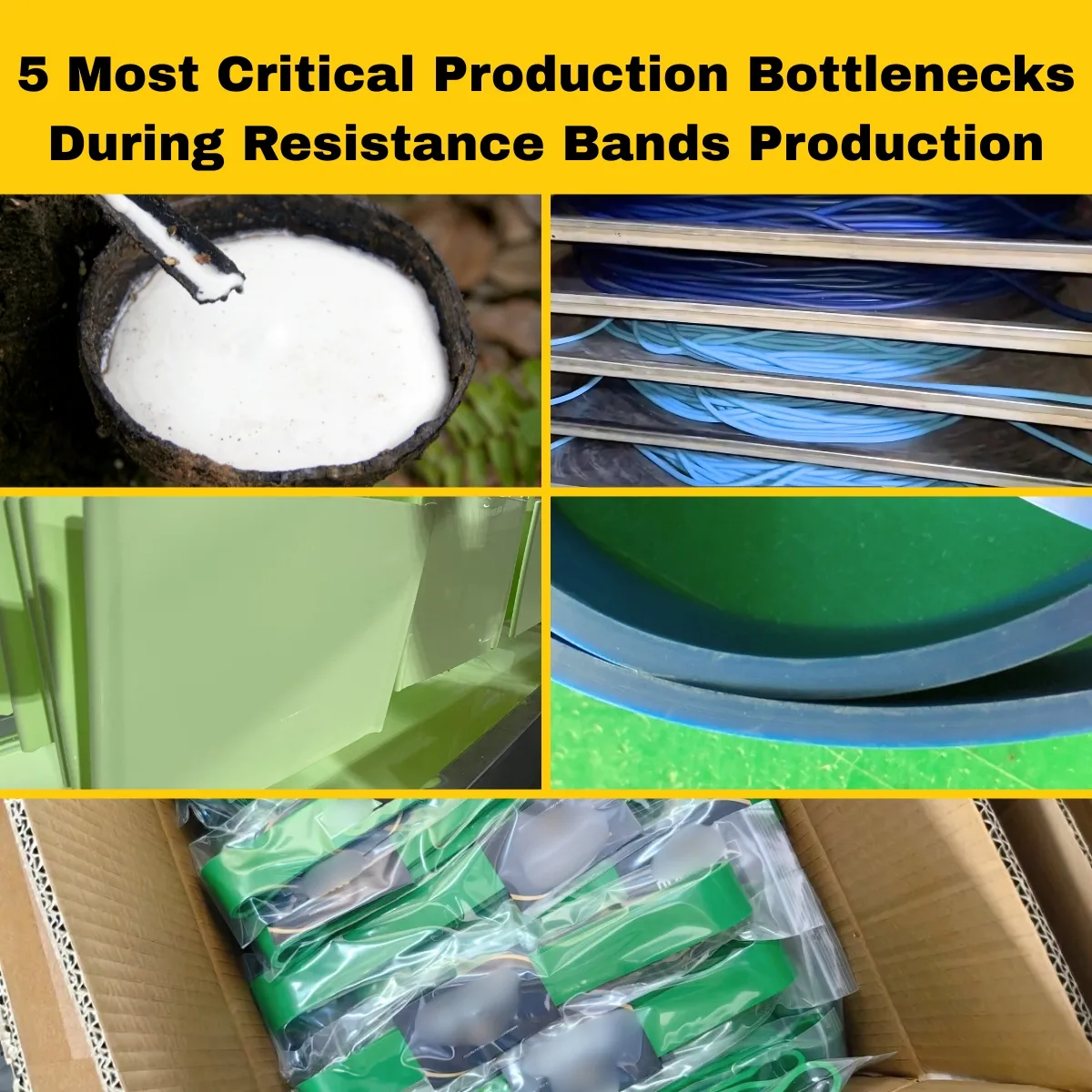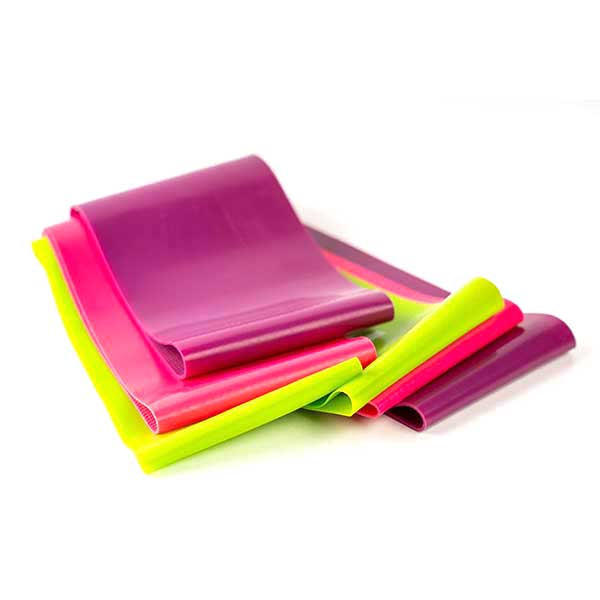
The Five Major Production Bottlenecks in Resistance Band Manufacturing
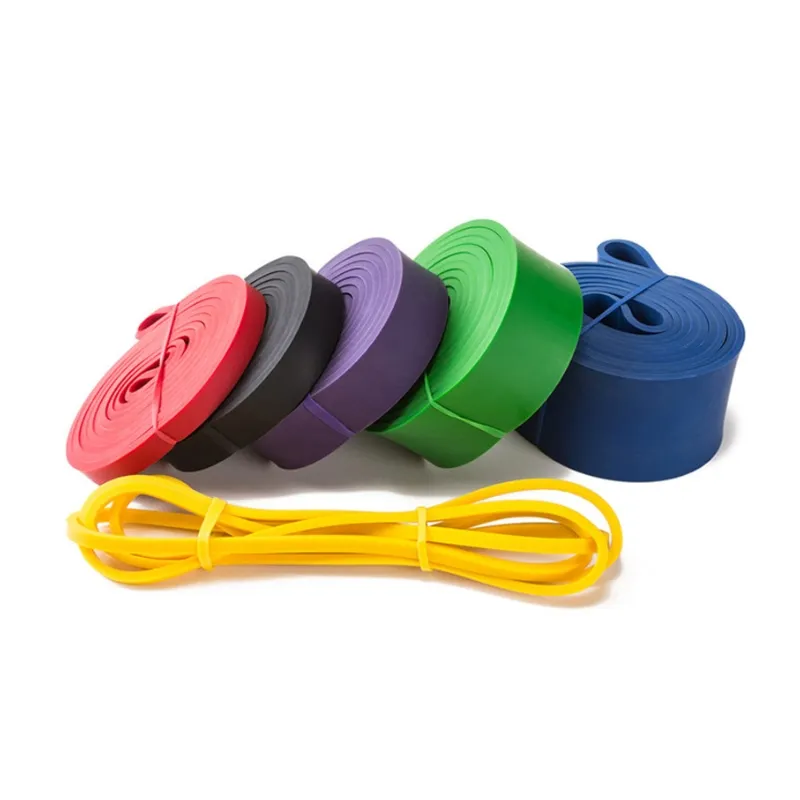
Resistance bands are becoming increasingly popular in the fitness and rehabilitation fields, but their effective production presents unique challenges.
Quality and consistency are critical for both performance and safety. Below are the five most common production bottlenecks and how manufacturers address them:
1, Raw Material Proportion Control
-
- Issue: Deviations in the proportions of rubber compounds and other additives used to manufacture resistance bands can significantly impact their final elasticity and durability.
- Impact: Unscientific formulations or inconsistent material usage can lead to inconsistent resistance levels, premature wear, and potential safety hazards.
- Prevention: Implementing strict measurement systems and process controls helps ensure accurate raw material mixing. Regular supplier audits and batch testing are also critical steps in raw material verification.

2. Vulcanization Process Parameters
-
- Issue: Vulcanization is the heating process that transforms raw rubber into durable and elastic materials, requiring precise control of temperature and time according to product specifications. Improper parameter control can negatively impact the physical properties of resistance bands.
- Impact: Insufficient or excessive vulcanization can result in resistance bands being too hard or too brittle, thereby reducing their performance and potentially causing breakage.
- Solution: Utilizing real-time monitoring systems to track and adjust temperature, pressure, and curing time is critical for achieving optimal vulcanization results and consistent product quality.

3. Thickness Uniformity Control
-
- Issue: If the dipping process is used, it is essential to ensure process stability and equipment reliability; otherwise, this may lead to uneven thickness in resistance bands.
- Impact: Thickness variations directly affect the resistance band’s tensile strength, creating weak points and reducing its resistance capability. This impacts safety and exercise effectiveness.
- Control: Implementing multi-point measurement checks throughout the manufacturing process from the start helps ensure thickness consistency and detect any irregularities early.

4. Edge Processing Quality
-
-
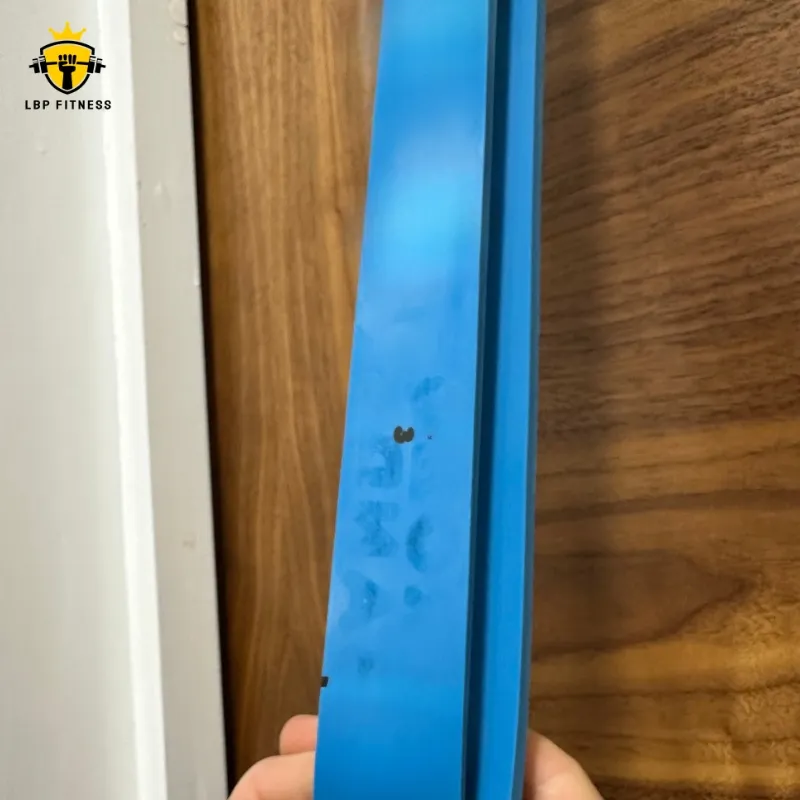
- Issue: Improper cutting or trimming during manufacturing can result in sharp or uneven edges on the resistance band.
- Impact: Poor edge processing compromises the integrity of the resistance band, making it more prone to tearing or breaking during use, thereby posing a safety risk to users.
- Inspection: Regular equipment calibration, blade replacement, and implementation of specialized edge quality inspection procedures are crucial to ensure smooth and safe edges. This reduces the risk of damage from sharp edges, which is one of the primary causes of resistance band failure.
-

Final inspection before packaging
-
- Issue: Inconsistent inspection standards or missing inspections may result in defective resistance bands entering the packaging stage.
- Impact: This directly impacts customer satisfaction, damages brand reputation, and may lead to returns and safety issues.
- Best Practice: Implementing a dual inspection mechanism, such as having multiple inspectors or using automated systems to check products, significantly increases the likelihood of identifying defects before products reach consumers. Additionally, establishing a robust quality management system and continuous improvement processes further strengthens quality control during this critical stage.

By proactively identifying and addressing these bottlenecks, resistance band manufacturers can enhance product quality, improve safety, and ultimately deliver an exceptional experience to customers.