Why Do Professional Resistance Bands Turn Yellow? 

Table of Contents

Why Do Professional Resistance Bands Turn Yellow? 
Have you received complaints from customers about rubber resistance bands changing color? This is a common issue faced by fitness centers, physical therapy facilities, and other businesses that use resistance bands. While the yellowing of bands might concern your clients, it’s important to understand the underlying causes and how to address them effectively.
 Why do rubber resistance bands turn yellow 1As a professional supplier, we aim to help you understand why this happens and how to communicate it to your customers. The good news? Yellowing can often be minimized, and it doesn’t typically affect the band’s performance!

Key Points for Your Business:

  • Manufacturing Quality Matters: High-quality production processes, including proper quality control standards, can significantly reduce yellowing.
  • Storage Solutions: Proper storage methods can minimize the likelihood of yellowing.
  • Natural Process: Some yellowing is a natural part of aging and doesn’t indicate damage.
  • Material Differences: Natural rubber latex and synthetic materials age differently.
  • Inventory Management: Understanding yellowing helps you manage and rotate inventory more effectively.
  • Customer Trust: Educating your clients builds trust and reduces unnecessary concerns.

Understanding Resistance Band Materials

Whether you operate a PT clinic, a gym, or a rehabilitation center, your resistance bands are likely made from either natural latex or synthetic materials. When selecting resistance bands for physical therapy, here’s what you need to know:

Natural Latex Bands: Known for their elasticity and durability, these bands provide smooth resistance during workouts. Learn more about how latex tubing and bands are manufactured. However, they may cause allergic reactions in some individuals.

Synthetic Bands: Made from materials like thermoplastic elastomers, these are hypoallergenic and ideal for users with latex allergies. Understanding the differences between latex vs TPE resistance bands can help you make the best choice for your facility.

Material Pros Cons
Natural Latex High elasticity, durable Potential allergen
Synthetic Rubber Hypoallergenic, consistent Less elasticity

The Science Behind Yellowing

Yellowing in resistance bands is primarily caused by oxidation, a chemical reaction that occurs when latex is exposed to oxygen. While this is a natural process, material testing for professional resistance bands can help ensure quality and longevity. Here’s what you need to know:

  • Oxidation: The primary cause of yellowing, accelerated by exposure to UV light, heat, and humidity.
  • Manufacturing Quality: Premium materials and controlled production environments can reduce yellowing.
  • Environmental Factors: UV light, temperature fluctuations, and humidity levels all play a role.

Environmental Factors Affecting Band Quality

Understanding these factors can help you maintain your inventory and extend the lifespan of your resistance bands. When considering what’s the best material for resistance bands, environmental factors play a crucial role:

UV Light Exposure:

  • Direct sunlight accelerates yellowing.
  • Indoor lighting typically has minimal impact.
  • Consider UV-protective storage solutions.

Temperature & Humidity:

    • Controlled indoor environments are ideal.
    • Proper HVAC systems can help maintain band quality.
    • Avoid storing bands in damp or excessively hot areas.

Storage solution of resistance bands


Prevention Methods: Keeping Your Inventory in Top Shape

Understanding layered and dipped resistance bands can help you make better maintenance decisions. Here are some professional tips:

Smart Storage Solutions:

  • Store bands in a cool, dry place away from direct sunlight.
  • Use custom storage solutions for large inventories.
  • Implement inventory rotation systems to ensure even usage.

Cleaning & Maintenance:

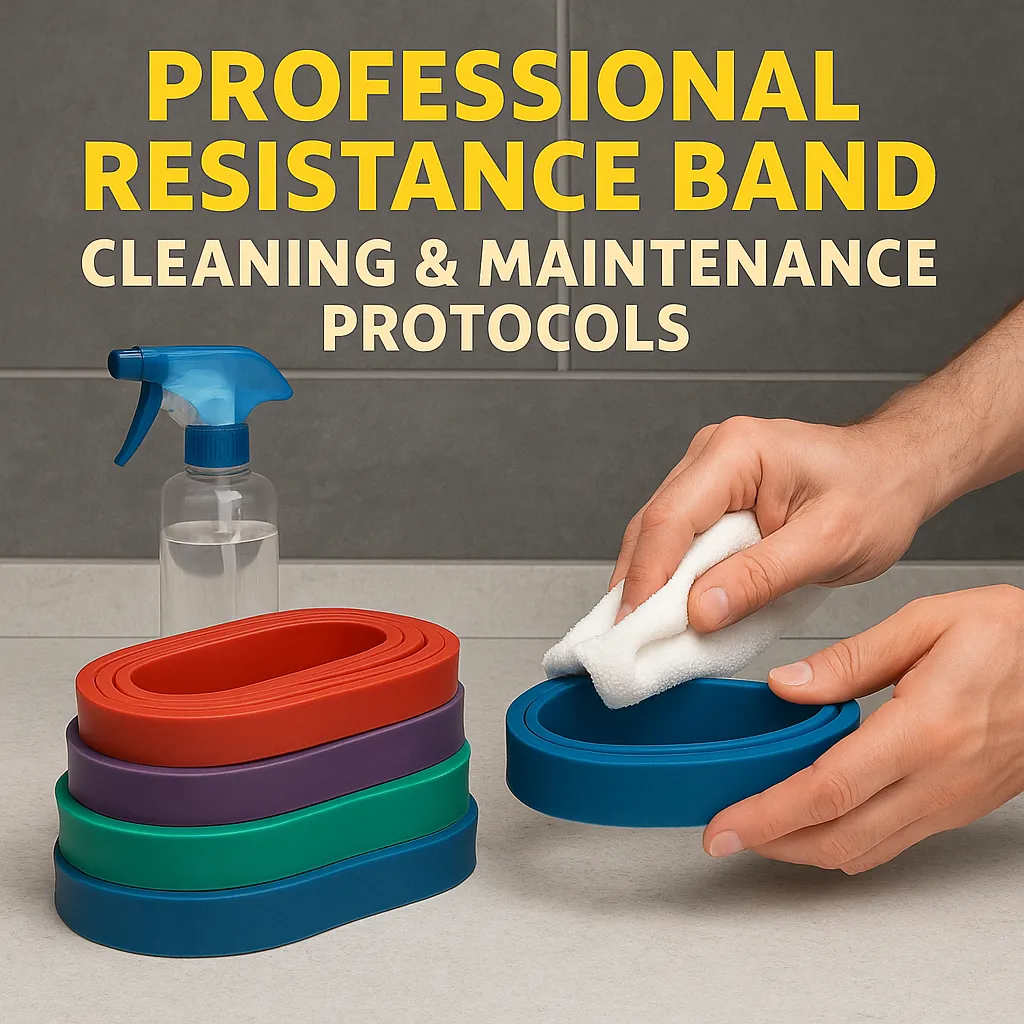
  • Wipe bands down after each use to remove sweat and oils.
  • Use facility-friendly cleaning solutions for weekly deep cleaning.
  • Train staff on proper maintenance protocols.

Professional Care Tips:

  • Establish easy-to-follow cleaning and inspection routines.
  • Regularly check for signs of wear, such as cracks or thinning.
  • Replace bands as needed to maintain safety and performance.
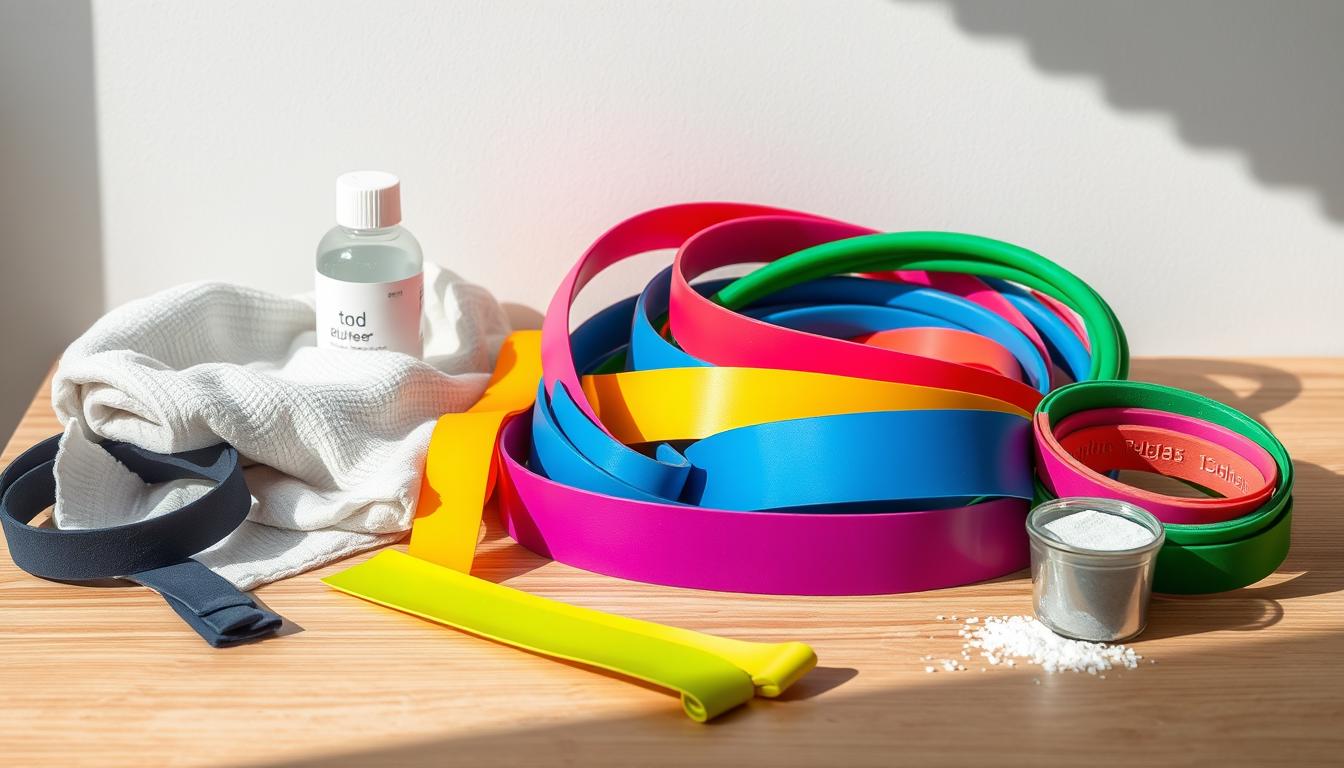
  • Using a thin layer of talcum powder can help keep your bands dry and prevent sticking.
  • Use a gel applicator for even distribution.
Using Protective Coatings and Powders


When to Replace Yellowed Resistance Bands

While yellowing alone doesn’t necessarily mean a band is unusable, it’s important to monitor for other signs of wear. Here’s when to consider replacing your bands:

  • Visible Damage: Cracks, tears, or thinning indicate it’s time for a replacement.
  • Loss of Elasticity: Bands that no longer stretch or snap back properly have lost their effectiveness.
  • Powdery Texture: A powdery residue can signal material breakdown.
  • Extreme Color Changes: Severe yellowing may indicate advanced aging.
Sign Action
Small cracks Replace soon
Large tears Replace immediately
Loss of elasticity Replace for effective workouts
Powdery texture Replace to avoid breakage

Conclusion

Understanding why rubber resistance bands turn yellow is essential for facility owners. While yellowing is often a natural process, proper storage, maintenance, and high-quality manufacturing can significantly reduce its impact. By implementing these practices, you can extend the lifespan of your inventory, maintain customer satisfaction, and ensure the safety and effectiveness of your equipment.

Remember, a yellowed band doesn’t necessarily mean it’s time to replace it—regular inspections and proper care are key to maximizing the value of your investment.


FAQ

1. Why do rubber resistance bands turn yellow?
Yellowing is caused by oxidation, a natural chemical reaction accelerated by UV light, heat, and humidity.
2. Are yellowed resistance bands safe to use?
Yes, if they show no signs of damage like cracks or thinning. Always inspect bands before use.

3. How can I prevent my resistance bands from turning yellow?
Store bands in a cool, dry place away from sunlight, and clean them regularly with mild soap and water.

4. Does the quality of the resistance band affect yellowing?
Yes, high-quality bands made with premium materials and advanced manufacturing processes yellow more slowly.

5. How often should I replace resistance bands?
Depending on usage and care, bands typically last 6 months to 2 years. Replace them when signs of wear appear.

6. Can I use bleach to clean yellowed resistance bands?
No, bleach can damage the material. Use mild soap and water instead.

7. Do latex-free resistance bands also turn yellow?
Yes, but they may yellow more slowly due to differences in material composition.

8. Is the white powder on new resistance bands harmful?
No, it’s a safe, non-toxic powder used to prevent sticking. It can be wiped off if desired.
Picture of LBP Fitness

LBP Fitness

Get In Touch
Welcome To Share This Page:
Product Categories
Latest News
Get A Free Quote Now !
Quote Request Form

Related Products

Related News

Custom Fitness Resistance Bands Manufacturing Guide: Loop Bands MOQ, Pricing, and Customization   As a professional resistance band manufacturer specializing

How to Choose a Professional Resistance Bands Manufacturer   Selecting the right resistance bands manufacturer is a critical decision that

Advanced Material Testing for Professional Resistance Bands Professional resistance bands are essential in the fitness world. They help people get

Selecting Professional-Grade Resistance Bands for Physical Therapy: A Manufacturer’s Guide   Physical therapy professionals require high-quality, reliable equipment to deliver

Latex vs Silicone Resistance Bands: A Professional Comparison Guide You know that moment when you’re standing in your office, staring

What’s the best material for resistance bands? Resistance bands are powerful tools for any fitness program. From building strength to

Understanding Different Types of Latex Tubing: A Comprehensive Guide Introduction As a leading manufacturer of latex resistance tubing and bands,

A resistance band can look correct and still be wrong for your market. The resistance may vary from the approved

Choosing the Right Sizes of Resistance Loops for Your Customers Are you considering adding resistance bands to your product line?

Get A Free Quote Now!

If have any requests, please feel free to contact us, we will be eager to serve you.

Scroll to Top

Contact Us

OEM/ODM Inquiry Form
Our team will contact you within 24 hours.
📧 [email protected]
💬 +86 17554147623

Request A Quick Quote​

Before starting to use our services, please fill in the following form to let us know which type of resistance bands you want to import from us.

Once we receive the detailed information regarding your request, your assigned customer representative will contact you shortly. He or she will assist you from planning to shipping.

If you need help, please email us at [email protected].

Request A Quick Quote

Before starting to use our services, please fill in the following form to let us know which type of resistance bands you want to import from us.
Once we receive the detailed information regarding your request, your assigned customer representative will contact you shortly. He or she will assist you from planning to shipping.
If you need help, please email us at [email protected].

Quote Request Form

Request Slicone Band Samples

Get access to free product samples to evaluate before your purchase!

Quote Request Form
We will reply you within 24 hours.

Need immediate assistance with sample selection?

Contact our quality team: [email protected]

Schedule a Factory Visit

Quote Request Form
  • Important Information:
    Factory visits are available Monday through Friday, 9:00 AM - 4:00 PM
  • Please schedule your visit at least one week in advance
  • Valid ID required for all visitors
  • Request Documents

    Get access to product specifications and certifications!

    Quote Request Form
    Documents will be sent to your email within 24 hours.

    Need immediate document verification?

    Contact our quality team: [email protected]

    Request Product Catalog

    OEM/ODM Inquiry Form
    You will receive the catalog in your email within 24 hours!
    Teamwork partner two men team shaking hands together. Businessman contractor handshake with Business Partner Trust Partnership. Industrail people contractor dealing mission team meeting office desk; Shutterstock ID 2293040545; other: -; purchase_order: -; client: -; job: -

    Need immediate assistance?

    Contact our team: 

    [email protected]

    Working hours: Mon-Sat 8:00-20:00 (GMT+8)

    Talk with Us

    Quick response within 24 hours

    Quote Request Form

    Immediate Support

    📧 Email Support:
    ⏰ Business Hours:

    Monday – Sunday

    8:00 AM – 8:00 PM (GMT+8)

    Response Time:

    Technical Team: Within 24 hours

    Sales Team: Within 12 hours

    Launch Your OEM/ODM Project Today

    Quote Request Form
    Get professional technical support and a free feasibility assessment within 24 hours.
    Teamwork partner two men team shaking hands together. Businessman contractor handshake with Business Partner Trust Partnership. Industrail people contractor dealing mission team meeting office desk; Shutterstock ID 2293040545; other: -; purchase_order: -; client: -; job: -

    Need Immediate Assistance?

    Technical Support Email: [email protected]

    Leisure Industry Rubber Tubing Specifications

    Technical Specifications

    ApplicationSize RangeBreaking Strength
    Slingshot Rubber0.5-2.0mm thickness15-30kg
    Toy Components1.0-5.0mm diameter10-25kg
    Bungee Equipment5.0-20.0mm diameter50-200kg
    Sunglass Retainer5.0-8.0mm diameter25-50kg
    Bow Peep Site3.0-8.0mm diameter15-50kg
    OthersCustomized 

    Technical Specifications

    Material Properties

    Safety Certifications

    Customization

    Need specific requirements or custom development? Our technical team is ready to assist.

    Professional Speargun Rubber Specifications

    Size & Power Range

    DiameterBreaking StrengthWorking LoadRecommended Use
    14mm45kg20kgCompact spearguns (60-90cm)
    16mm55kg25kgStandard spearguns (90-120cm)
    18mm65kg30kgLarge spearguns (120-140cm)
    20mm75kg35kgExtra-large spearguns (140cm+)

    Technical Specifications

    Material Properties

    Standard Lengths

    Colors

    Need custom specifications or bulk orders? Contact our technical team for support.

    Professional Rehabilitation Tubing Specifications

    Progressive Resistance System

    ColorResistance LevelForce
    @ 100% Elongation
    Clinical Applications
    TanXX-Light1.1 kgEarly rehabilitation, Geriatric care
    YellowX-Light1.5 kgInitial therapy, Range of motion exercises
    RedLight2.0 kgProgressive strengthening
    GreenMedium2.5 kgIntermediate rehabilitation
    BlueHeavy3.0 kgAdvanced strengthening
    BlackX-Heavy3.5 kgSports rehabilitation

    Product Specifications

    Size Options

    Material Properties

    Quality Standards

    Need latex-free options or custom specifications? Our technical team is ready to assist.

    Fitness Resistance Tubing Specifications

    Resistance Level Guide

    ColorID/ODResistance LevelUsing
    Yellow6mm/9mmExtra LightRehabilitation, Senior Exercise
    Red6mm/10mmLightBeginner Workouts
    Green6mm/11mmMediumRegular Training
    Blue6mm/12mmHeavyAdvanced Training
    Black6mm/13mmExtra HeavyProfessional Use

    Technical Specifications

    Size Range

    Material Properties

    Quality Standards

    Surgical Tubing Specifications

    Size Range

    Inner DiameterOuter DiameterWall Thickness
    3mm5mm1mm
    4mm10.2mm3.1mm
    5.9mm9.2mm1.65mm
    5mm8mm1.5mm
    5mm10mm2.5mm
    6mm8mm1mm
    6mm9mm1.5mm
    6mm12mm3mm
    7.5mm9.6mm1.05mm
    7mm14mm3.5mm
    8mm12mm2mm
    8mm16mm4mm
    9mm11mm1mm

    Material Properties

    Packaging Options

    mecial tubing & surgical tubing