What’s the Powder on Resistance Bands? Complete Guide to Band Maintenance

This common occurrence has many fitness enthusiasts questioning their equipment’s condition. Just like understanding why professional resistance bands turn yellow, knowing about the powder is crucial for proper maintenance.
Why Do Resistance Bands Develop a Powdery Residue?
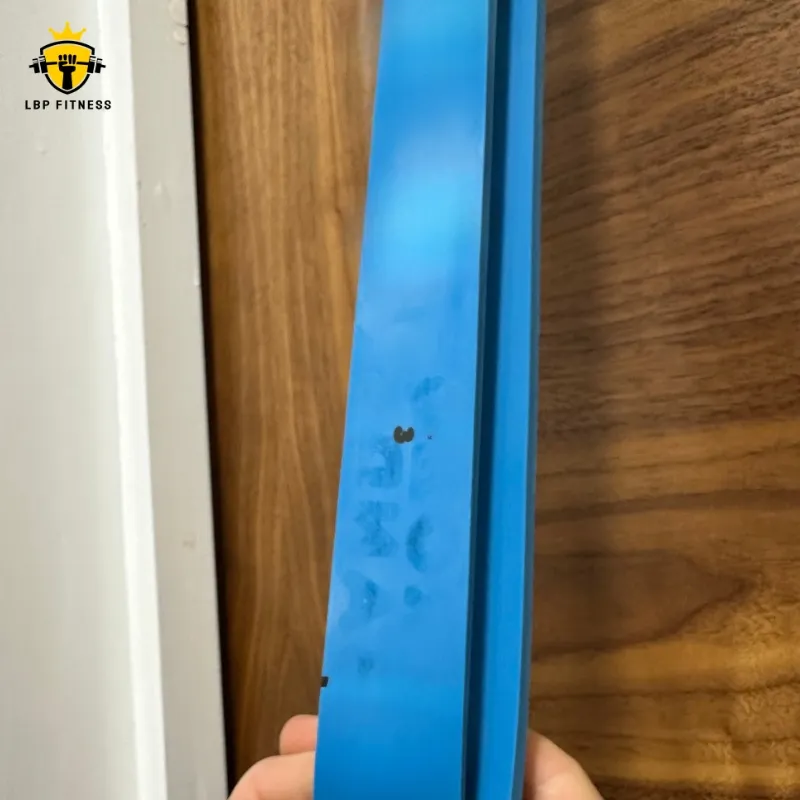
The appearance of powder on resistance bands occurs for two main reasons: intentional manufacturing processes and natural material changes. Understanding how latex tubing and bands are manufactured helps explain this phenomenon.
1. Manufacturing Process
During production, manufacturers intentionally apply talcum or chalk powder to:
- Prevent bands from sticking together during manufacturing
- Ensure easy handling and packaging
- Maintain band separation during initial use

2. Natural Blooming Process
Understanding natural rubber and natural rubber latex helps explain the blooming process, where:
- Chemical compounds within the rubber migrate to the surface
- Antioxidants and protective agents rise from within the material
- Natural aging causes molecular changes in the rubber

3. Environmental Impact
Several external factors can accelerate powder formation. When material testing for professional resistance bands, these factors are carefully evaluated:
- Heat exposure and temperature fluctuations
- High humidity levels
- UV light exposure
- Contact with skincare products, sunscreen, or gym chalk
- Mineral deposits from water exposure
Is the Powder Harmful?
The good news is that in most cases, the powdery residue is completely normal and safe. When selecting resistance bands for physical therapy, you should monitor your bands for:
- Unusual odors or discoloration
- Changes in elasticity
- Visible damage like cracks or tears
- Excessive or colored powder formation
Proper Band Maintenance for Resistance Bands
1. Storage Guidelines
Understanding quality control standards for resistance bands helps in creating an optimal storage environment by:
- Choosing a cool, dry location
- Avoiding direct sunlight
- Using a sealed container or bag
- Maintaining consistent temperature
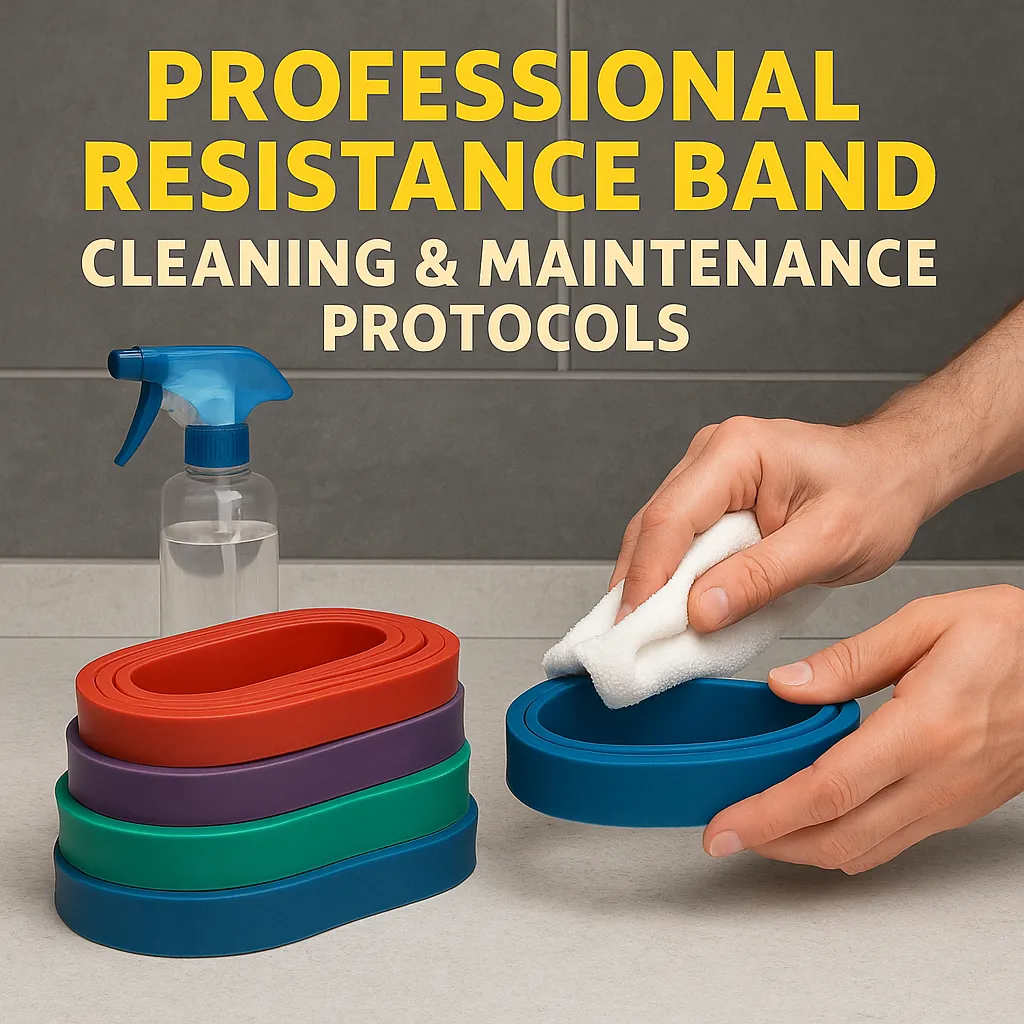
2. Cleaning Protocol
Whether you’re using latex vs silicone resistance bands or latex vs TPE resistance bands, establish a regular maintenance routine:
- Wipe down bands after each use
- Use a slightly damp cloth for cleaning
- Avoid harsh chemical cleaners
- Ensure complete drying before storage
3. Usage Best Practices
When choosing the right sizes of resistance loops, extend your bands’ lifespan by:
- Starting with clean hands
- Avoiding skin products during workouts
- Keeping bands away from chalk
- Performing pre-use safety checks
- Rotating between multiple bands
When to Replace Your Bands
Similar to how resistance bands lose elasticity over time, while powder itself isn’t usually concerning, replace bands when you notice:
- Significant loss of elasticity
- Visible damage or tears
- Unusual texture changes
- Inconsistent resistance levels
- Excessive or unusual powder formation
Conclusion
Understanding the powder on your resistance bands helps you make informed decisions about equipment care and safety. When choosing a professional resistance bands manufacturer, consider their custom fitness resistance bands manufacturing processes for better durability and performance.
FAQ
- Q1: Why do resistance bands develop a white, powdery residue?
-
The white powder on resistance bands comes from two main sources:
- Manufacturing Process: Manufacturers apply talcum powder during production to prevent the bands from sticking together during packaging and initial use.
- Natural Breakdown: Over time, resistance bands develop a powdery residue through a process called “blooming.” This happens when:
- Chemical compounds within the natural rubber migrate to the surface
- The material releases talcum-like particles due to age and use
- Environmental factors like heat and humidity accelerate this process
This white powder is a normal occurrence in both latex and rubber resistance bands. While it may look concerning, it’s typically harmless and doesn’t affect the band’s performance when properly maintained. Regular cleaning and proper storage in a cool, dry place can help minimize powder formation.
- Q2: Is the white powder on my resistance bands safe?
- Usually, the powder is safe and comes from the rubber’s vulcanization process. However, if you have concerns about what’s the best material for resistance bands, consider hypoallergenic options.
- Q3: How can I prevent or reduce the powdery residue on my resistance bands?
- Keep your bands in a cool, dry place away from sunlight and extreme temperatures.
- Q4: Can I clean the powder off my resistance bands?
- Yes, you can clean the powder off with a soft, slightly damp cloth. Understanding layered and dipped resistance bands helps in proper cleaning techniques.
- Q5: When should I replace my resistance bands with powdery residue?
- Replace your bands if they show cracks, tears, or extreme powdering.
- Q6: Are some resistance bands more prone to powdery residue than others?
- Yes, natural rubber bands are more likely to develop powder. The manufacturing process, storage, and use frequency affect powder formation.
- Q7: Can the powder be harmful to my workout surface?
- The powder is usually not harmful but can leave a residue. To avoid this, place a towel or mat under your bands during workouts .