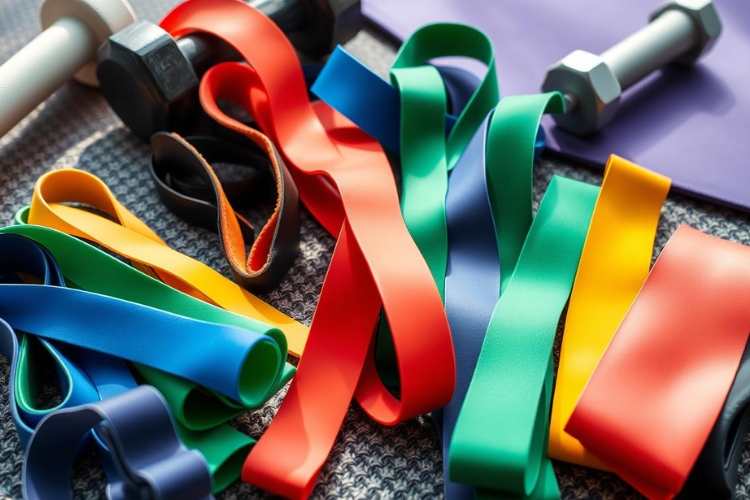
What Causes Resistance Bands to Lose Elasticity Over Time?
The stretchiness of resistance bands is what makes them work well. But, over time, they can stretch too much and lose their spring. This makes your workouts less effective. Understanding material testing for professional resistance bands can help you choose better quality products that maintain their elasticity longer.
Many things can wear out your resistance bands. When choosing a professional resistance bands manufacturer, it’s important to consider the material quality, usage frequency, and storage conditions. By understanding these factors, you can make your bands last longer and keep your workouts going smoothly.
Key Takeaways
- Resistance bands naturally lose elasticity with regular use
- Material quality affects how long bands maintain their stretch – learn more about what’s the best material for resistance bands
- Proper use and storage can extend band lifespan
- Environmental factors impact band durability
- Regular inspection helps prevent workout disruptions
Understanding Resistance Band Materials and Construction
When selecting resistance bands for physical therapy or fitness use, understanding materials is crucial. Different materials affect performance, durability, and elasticity differently.
Natural Rubber vs. Synthetic Materials
Understanding the differences between latex vs TPE resistance bands and latex vs silicone resistance bands can help you make informed choices:
| Characteristic | Natural Rubber | Synthetic Rubber |
|---|---|---|
| Elasticity | High | Moderate |
| Durability | Good | Excellent |
| Environmental Resistance | Moderate | High |
| Cost | Higher | Lower |
Manufacturing Process and Quality Standards
Learn about how latex tubing and bands are manufactured and the importance of quality control standards for resistance bands. The manufacturing process is key to band quality and longevity.
Types of Elastomers Used in Resistance Bands
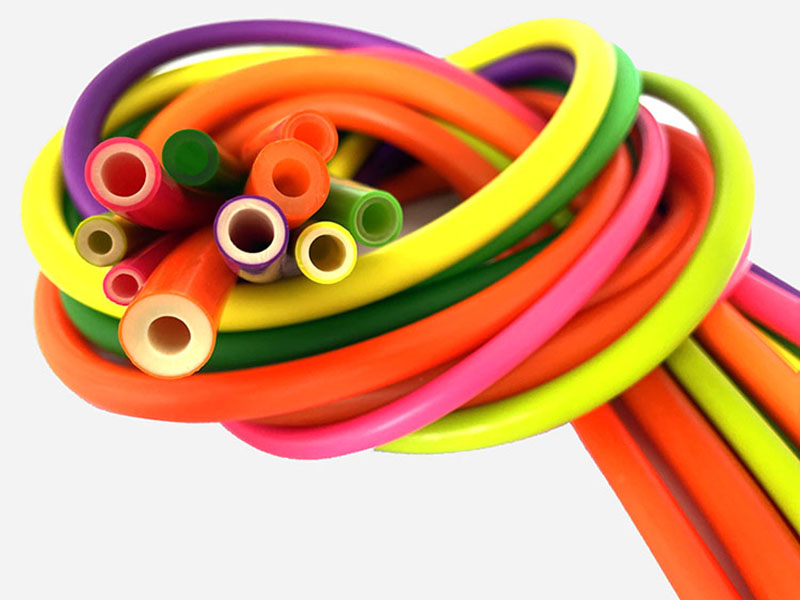
Understanding different types of latex tubing helps in making informed choices:
- Natural rubber latex
- Thermoplastic elastomers (TPE)
- Silicone rubber
- Styrene-butadiene rubber (SBR)
- Ethylene propylene diene monomer (EPDM)
The Science Behind Resistance Bands to Lose Elasticity
Understanding the science behind elasticity loss helps in proper band maintenance and usage. When exploring custom fitness resistance bands manufacturing, these factors are crucial to consider.
Molecular Structure Changes During Use
The rubber in resistance bands consists of long, tangled chains. During use, these chains stretch and change shape through stress relaxation, affecting the band’s ability to return to its original shape.
Impact of Repeated Stretching on Band Integrity
Each stretch weakens the band slightly as tiny tears form in its structure. Understanding choosing the right sizes of resistance loops can help prevent overstretching.
Breaking Point vs. Optimal Stretch Range
| Band Type | Optimal Stretch Range | Breaking Point |
|---|---|---|
| Light | 200-450% | 700-750% |
| Medium | 200-450% | 700-750% |
| Heavy | 100-450% | 700-750% |
Environmental Factors Affecting Band Durability
Similar to how professional resistance bands turn yellow, environmental factors significantly impact durability:
| Environmental Factor | Effect on Resistance Bands | Prevention Tips |
|---|---|---|
| UV Rays | Causes brittleness and cracking | Store in dark, cool place |
| Temperature Extremes | Softening or hardening of rubber | Avoid leaving in hot cars or freezing temperatures |
| Humidity | Accelerates material breakdown | Use dehumidifier in storage area, keep in dry place |
| Abrasion | Creates small tears and weakens bands | Exercise on smooth surfaces or use protective sleeve, clean regularly |
Common Misuse Practices That Damage Resistance Bands
Understanding proper usage is crucial. For specialized applications, consider layered and dipped resistance bands for enhanced durability.
Common Mistakes to Avoid
| Misuse Practice | Potential Damage | Prevention Tip |
|---|---|---|
| Overstretching | Loss of elasticity, weakening of material | Stay within recommended stretch range |
| Poor storage | Material degradation, cracking | Store in cool, dry place away from sunlight |
| Chemical exposure | Breakdown of band material | Clean hands before use, avoid contact with chemicals |
Signs of Wear and When to Replace Your Bands
Regular inspection helps maintain safety and effectiveness. When considering MOQ for resistance bands, plan for regular replacements.
Visual Indicators of Band Deterioration
- Cracks or tears in the material
- Discoloration or fading
- Visible stretching or thinning
Performance Changes to Watch For
- Decreased resistance or tension
- Uneven stretching across the band
- Difficulty maintaining form during exercises
- Need for increased effort to achieve the same results
Safety Considerations
Check for these warning signs:
- Bands becoming brittle and prone to snapping
- Sudden loss of tension during exercises
- Increased risk of injury due to unexpected band failure
| Wear Indicator | Action Required |
|---|---|
| Minor discoloration | Monitor closely |
| Visible cracks or tears | Replace immediately |
| Slight loss of tension | Increase reps or resistance |
| Significant elasticity loss | Replace band |
Extending Your Resistance Band’s Lifespan
Proper care significantly extends band life. Understanding how resistance bands work helps in proper maintenance.
Care Aspects
| Care Aspect | Do’s | Don’ts |
|---|---|---|
| Cleaning | Use mild soap and water | Use harsh chemicals |
| Storage | Store in a cool, dry place | Expose to direct sunlight |
| Usage | Warm up bands before use | Overstretch beyond limits |
Conclusion
Understanding how resistance bands lose elasticity helps maintain their effectiveness. With proper care and attention to material quality, you can extend their lifespan significantly.
FAQ
- How long do resistance bands typically last?
- High-quality resistance bands can last from 6 months to 2 years, depending on usage frequency, storage conditions, and material quality.
- What are the signs that my resistance band is losing elasticity?
- Look for cracks, discoloration, visible stretching, or uneven tension during workouts.
- Can I repair a resistance band that has lost its elasticity?
- No, it’s safer to replace bands that have lost elasticity for effective and safe workouts.
- How should I clean my resistance bands?
- Clean with a damp cloth and mild soap, dry thoroughly, and avoid harsh chemicals.
- What’s the best way to store resistance bands?
- Store in a cool, dry, dark place away from sunlight and extreme temperatures.
- Can using resistance bands in water affect their elasticity?
- Yes, especially in chlorinated pools. Rinse with fresh water and dry thoroughly after use.
- Is it safe to use resistance bands that have small cracks?
- No, bands with any cracks should be replaced immediately to prevent injury.
- How can I prevent my resistance bands from losing elasticity too quickly?
- Avoid overstretching, store properly, clean regularly, and inspect before each use.